
Marcel Stockli, Lead Engineer
Introduction
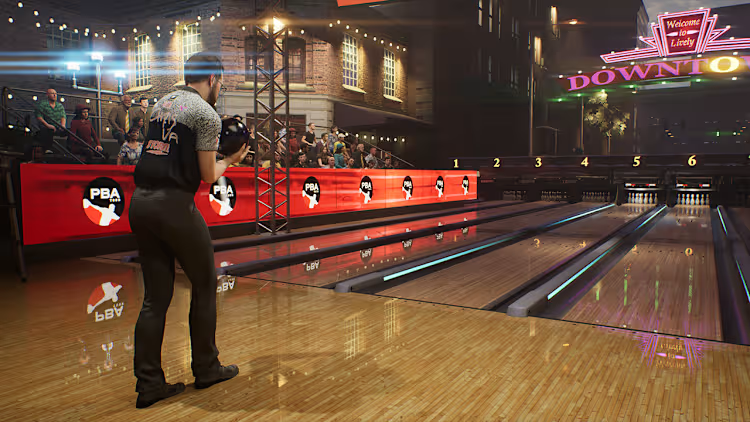
When FarSight Studios set out to deliver the most authentic bowling simulation to date with PBA Pro Bowling 2026, they utilized cutting-edge “next-gen” Unreal Engine 5 technologies, including Lumen and Megalights to achieve photorealistic environments. GameCoder Studios was tasked with the architectural challenge of bringing this high-fidelity experience to Nintendo Switch, ensuring the game maintained its visual integrity and complex physics while meeting performance standards for handheld gaming.
The Challenge
The primary hurdle involved translating a project designed for high-end hardware into a portable platform. The Nintendo Switch, while a versatile and popular platform, presents a unique set of constraints regarding memory bandwidth and GPU throughput compared to its next-gen counterparts.
- Next-Gen Fidelity: The source project featured heavy reliance on real-time global illumination and high-density lighting setups that far exceeded the Switch’s standard hardware overhead.
- Initial Performance Baseline: Running the raw next-gen build on the target hardware initially yielded frame rates as low as 1–2 FPS, indicating that a standard scalability approach would not suffice. A low level intervention was required.
- Complexity of Unreal Engine Features: Many modern Unreal Engine features provide incredible visual depth but carry a heavy overhead on mobile-integrated chipsets as most of the time those features are not used.
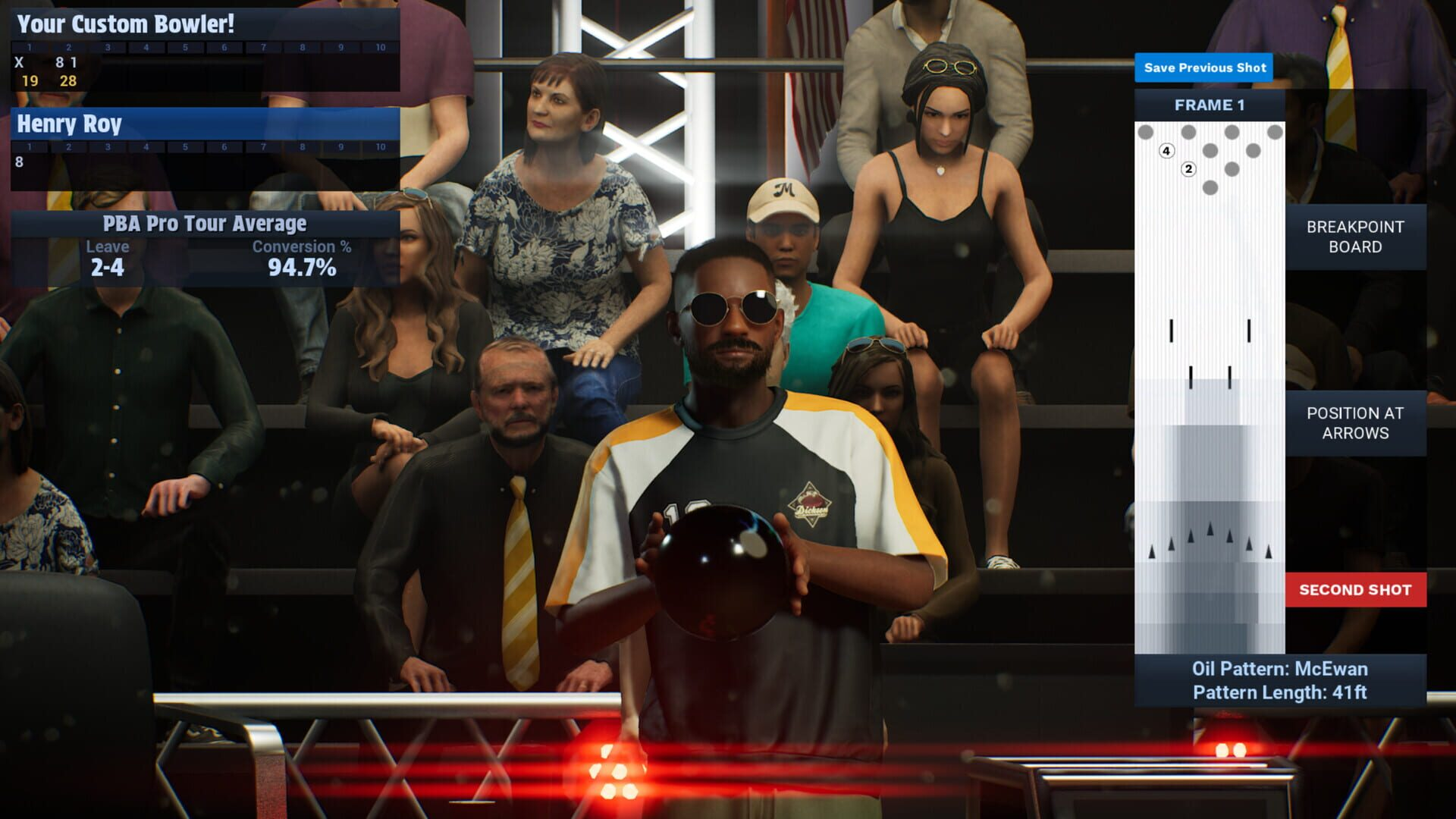
- Dynamic Environments: Maintaining the density of the crowds and the precision of the bowling physics was essential.
Key Criteria
The primary objective was to achieve a stable, Switch experience while adhering to the following constraint:
- Asset Preservation: Retain the original level design and environment layouts. The goal was to optimize the engine’s interaction with the levels rather than redesigning the levels themselves, ensuring visual similarity with the PC and console versions.
The Solution
GameCoder Studios implemented a multi-tiered optimization strategy focusing on scalability, custom shading, and efficient resource management.
1. Custom Deferred Lighting Pipeline
The most significant breakthrough came from modifying the engine source code. We developed a simplified version of the engine Deferred Lighting Shader specifically for the Switch:
- Overhead Reduction: Stripped unnecessary features and unused light types from the core lighting pass.
- Simplified BRDF: Transitioned to a customized simplified BRDF (Bidirectional Reflective Distribution Function) that computes Lambertian-based diffuse and basic specular highlights, drastically reducing GPU cycles.
- Buffer Management: Removed redundant buffers and disabled all real-time shadow map calculations in favor of more efficient lookups.
- Light Count: These modifications allowed us to keep approximately 25 dynamic lights per scene active on the Switch, maintaining the correct look of the venues.
2. Advanced Temporal Upscaling
To balance clarity with performance, we utilized Unreal’s Temporal Anti-Aliasing (TAA).
- Resolution Optimization: We successfully increased the screen percentage from 65% to 85%.
- Ghosting Mitigation: Because bowling features relatively stable camera angles, we were able to push higher temporal fidelity without most of the common “ghosting” artifacts.
3. Physics & Crowd Systems
- Collision Optimization: To preserve the high-stakes feel of the gameplay, we swapped complex mesh-based collisions for primitive shape collisions. This maintained the simulation’s accuracy while freeing up significant CPU headroom.
- Hybrid Crowd System: We calibrated a layered approach for the spectators:
- Tier 1 (Front Row): CPU-animated meshes for real-time interactions.
- Tier 2 (The Stands): GPU-animated crowd in the background with non-real time interactions.
Results
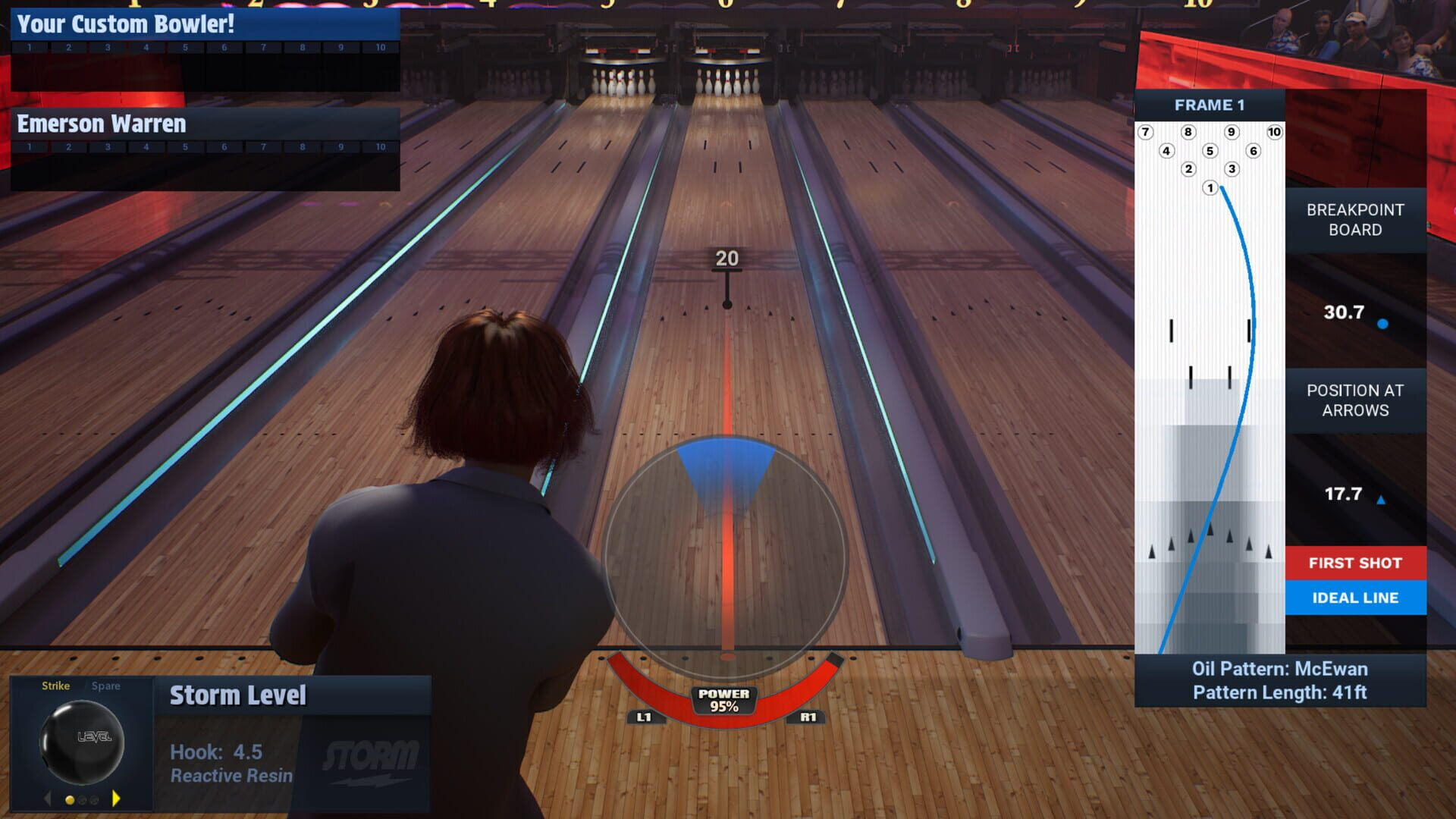
- Performance Jump: Successfully increased the frame rate from the initial 1–2 FPS to around 30 FPS across all venues.
- Successful Launch: The game was released on the Nintendo eShop.
- Critical Reception: The game has received a very positive response from players.
