
Introduction
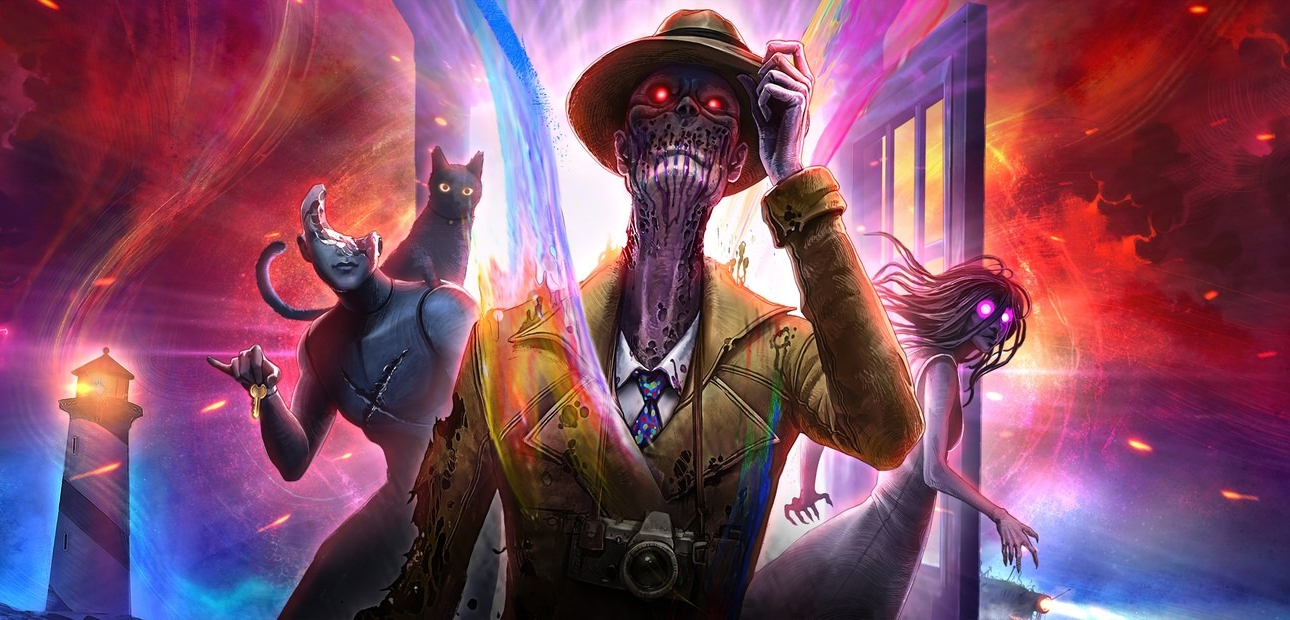
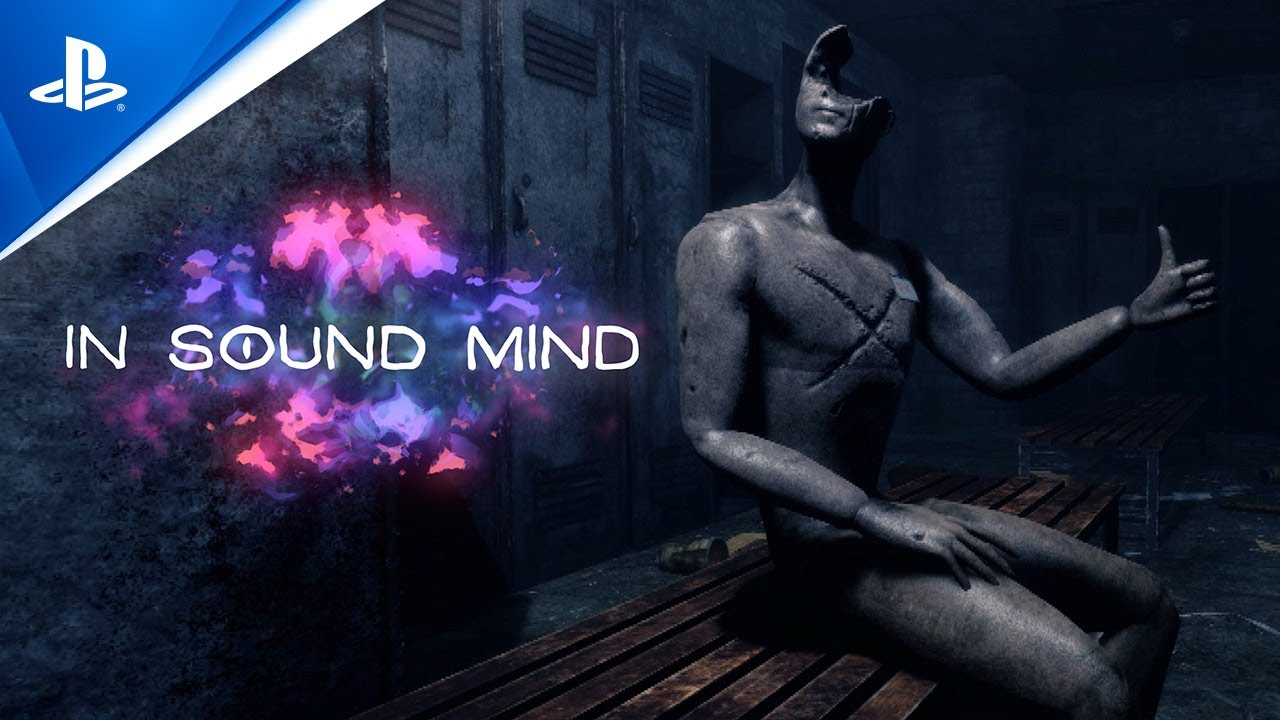
In Sound Mind, a psychological action horror title was released in September 2021.This case study highlights GameCoder Studios’ expertise in performance optimization and multi-platform porting, focusing on the successful launch on PlayStation 5, Xbox Series X|S, and Nintendo Switch. Our goal was to ensure a consistent, high-fidelity experience across all target platforms, preserving the game’s crucial atmospheric and mechanical integrity.
The Challenge
The original PC release of In Sound Mind, developed in the Unity engine, featured rich environments and complex mechanics that pushed the limits of engine performance. Porting this experience required tailored technical solutions for each console’s unique architecture.
Cross-Platform Optimization
The game’s reliance on complex physics and high-detail visuals presented an immediate optimization challenge, particularly when ensuring parity across the new console generation (PS5, Xbox Series X|S) and the highly popular, but resource-constrained, Nintendo Switch.
On PS5 and Xbox Unity’s HDRP caused many issues on the graphics side, the game displayed glitches with sprites or materials changing colors at runtime making it an awful experience for the user. There were also performance issues related to loading times and problems with the saving system.
The Nintendo Switch, with its unique hardware profile, required focused optimization efforts.
Initially, the frame rate on the Nintendo Switch often hovered around 15 frames per second (FPS), sometimes dipping lower in complex scenes. Achieving a stable 30 FPS was paramount to maintaining the intended psychological impact and responsiveness of the gameplay. Furthermore, initial graphical fidelity issues, including visual artifacts and high GPU load, necessitated creative rendering pipeline modifications.
It is worth noting that for consoles there was a necessity to modify inputs for the controllers despite a universal mapping being applied for PC controllers. Specifically, Nintendo Switch was not fully supported and therefore became the first task to tackle.
Key Criteria
The core psychological and physical aspects of In Sound Mind‘s gameplay were considered key criteria. Our optimization efforts strictly adhered to the mandate of maintaining identical gameplay mechanics and psychological effects across all platforms, ensuring that technical scaling did not compromise the player’s core experience.
The Solution
GameCoder Studios deployed a comprehensive strategy focusing on rendering pipeline efficiency, resource management, and core engine component refactoring.
Resource and Visual Scalability
Our initial steps focused on strategic resource management to ensure optimal loading and reduced memory footprint without visible loss of quality:
- Level of Detail (LOD) Reduction: Fine-tuned LOD configurations were implemented to aggressively reduce polygon counts for objects at a distance.
- Texture Optimization: Textures were analyzed and reduced in resolution where visual impact was minimal, freeing up valuable VRAM.
- Level Segmentation: For Nintendo Switch, we used Unity’s scene loading system fragmenting each level so that at runtime the system memory would not overflow and crash the game.
Advanced Rendering Techniques
To maximize visual fidelity within performance constraints, we implemented advanced rendering and anti-aliasing techniques:
- Temporal Anti-Aliasing (TAA): We utilized an approach inspired by Unreal Engine’s Temporal AA to improve image stability and quality.
- Dynamic Resolution Scaling: The game was configured to dynamically render between 65% and 85% of the target screen resolution, ensuring frame rate stability during moments of peak GPU load while maintaining visual sharpness.
- Post-Processing Rework:We reworked several post-processing effects to improve performance and eliminate screen glitches.
- Simplified Lighting Pipeline:
- Light Map Strategy: While the game did not rely on pre-baked light maps, we optimized real-time light handling.
- Light Culling and Buffer Management: We removed unnecessary light types and eliminated non-essential rendering buffers.
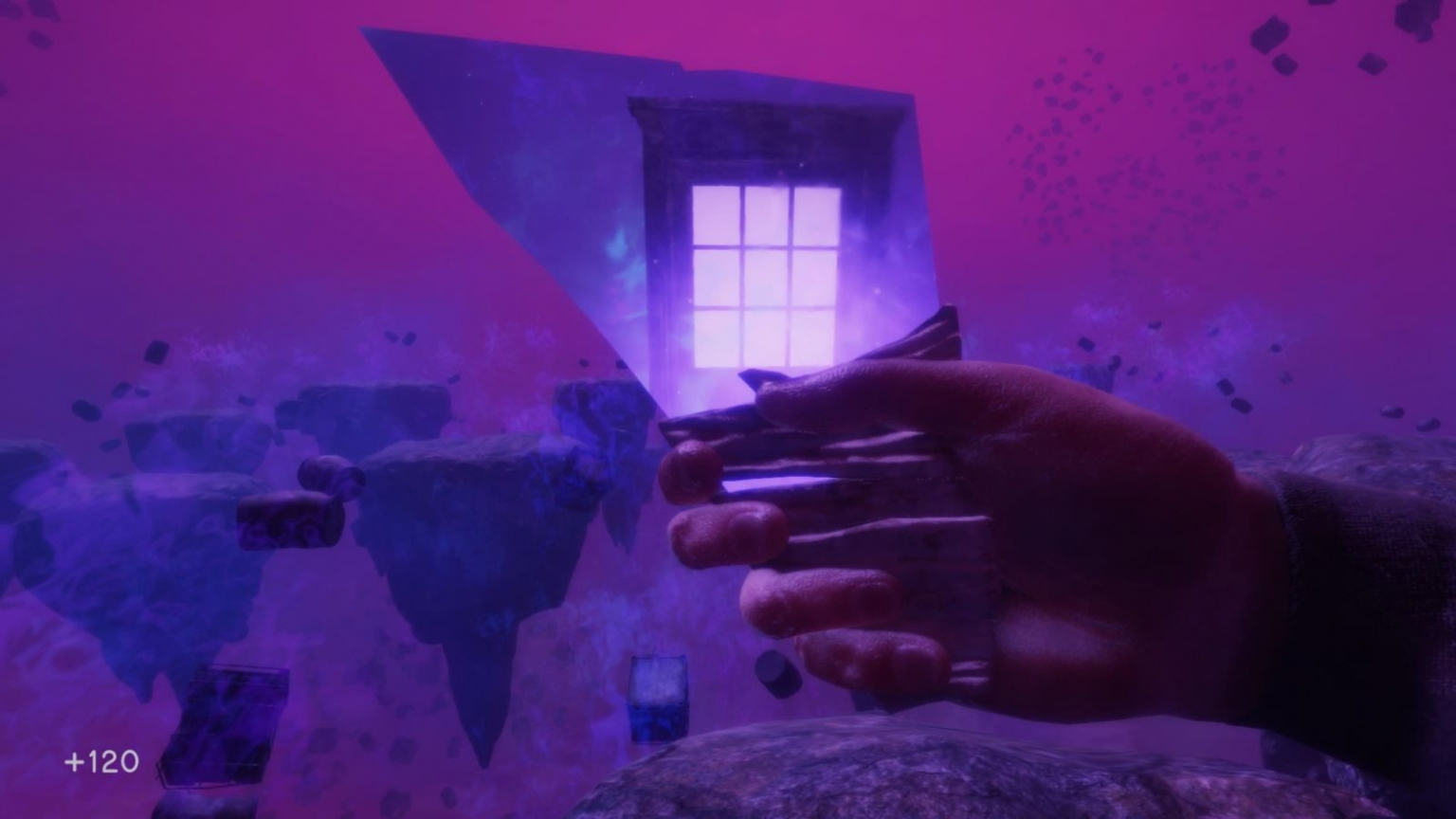
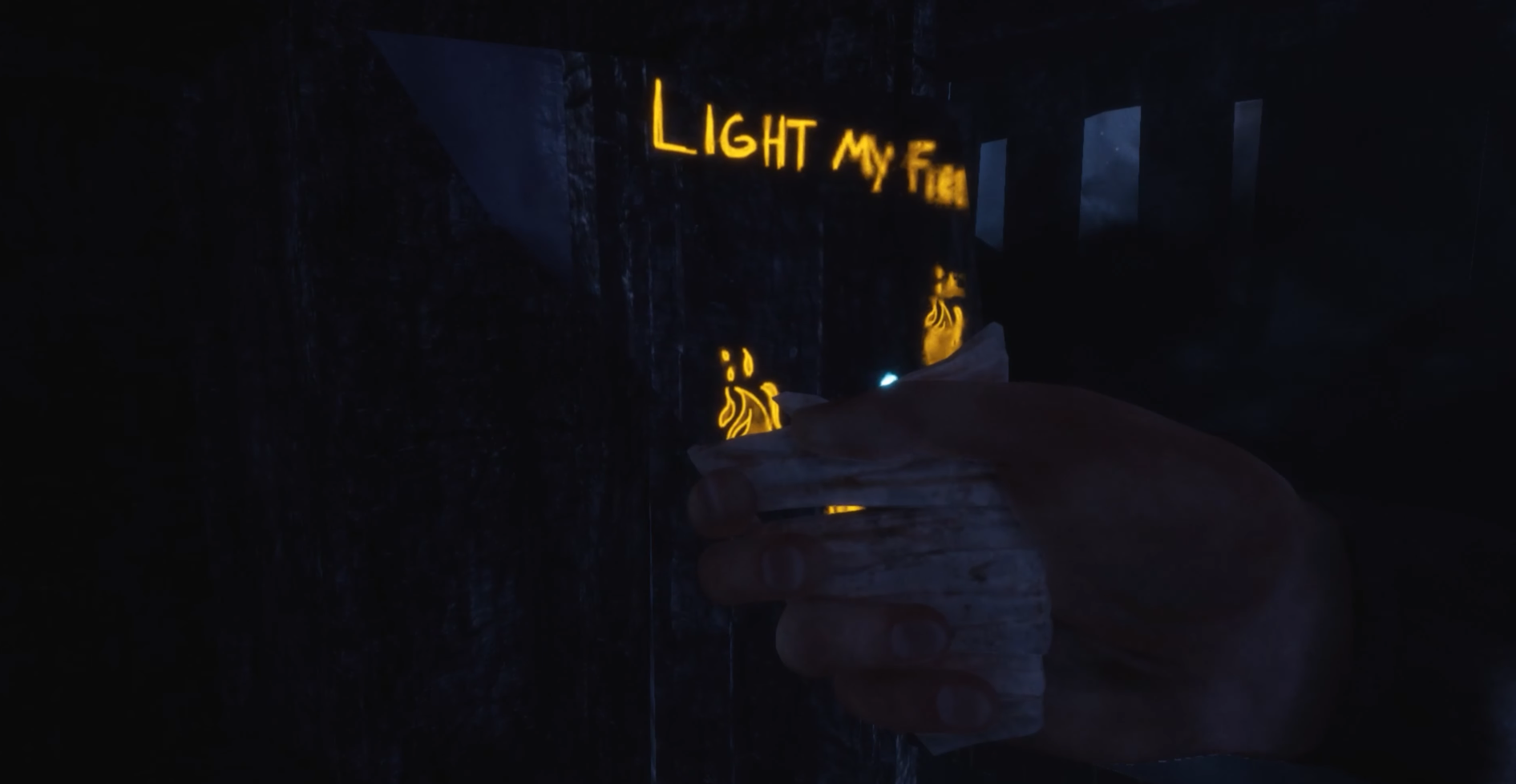
- Switch HDRP: The Unity and Switch documentation indicates that the use of HDRP is not supported, but we modified the initial engine configuration so it would render on the Switch without having to modify the whole material and rendering pipeline of the project. After that we just had to disable some post processing effects that were causing visual glitches and adjust some lighting. This saved us important development time and also made it one the few games on Switch that have HDRP enabled.
Core Engine Refactoring for CPU Efficiency
The most significant performance gain was achieved through targeted refactoring of the game’s core update logic, particularly concerning the use of the PlayMaker visual scripting plugin:
- PlayMaker Binary Modification: We made highly technical modifications to the PlayMaker binary itself. This allowed for the implementation of a custom update manager.
- Manager Subscription Model: Instead of relying on PlayMaker’s default ‘tick’ system, scripts were modified to subscribe to a centralized manager for updates or ticks only when needed. This optimization resulted in a reported CPU performance increase of up to 70%.
Nintendo Switch variant
Despite the constraint of not changing the core gameplay, we made some modifications regarding the equipment the character uses during the game, such as automatically reloading guns or equipment after a certain number of seconds of inactivity or simply when the tool was empty.
Additionally, some enemy AIs were having issues with pathfinding or behaviors that were scripted in the PlayMaker node system specially the four final bosses of each level, so we implemented simple C# code to improve performance and behavior.
This change was supervised the whole time by the original developer team to keep consistency across platforms
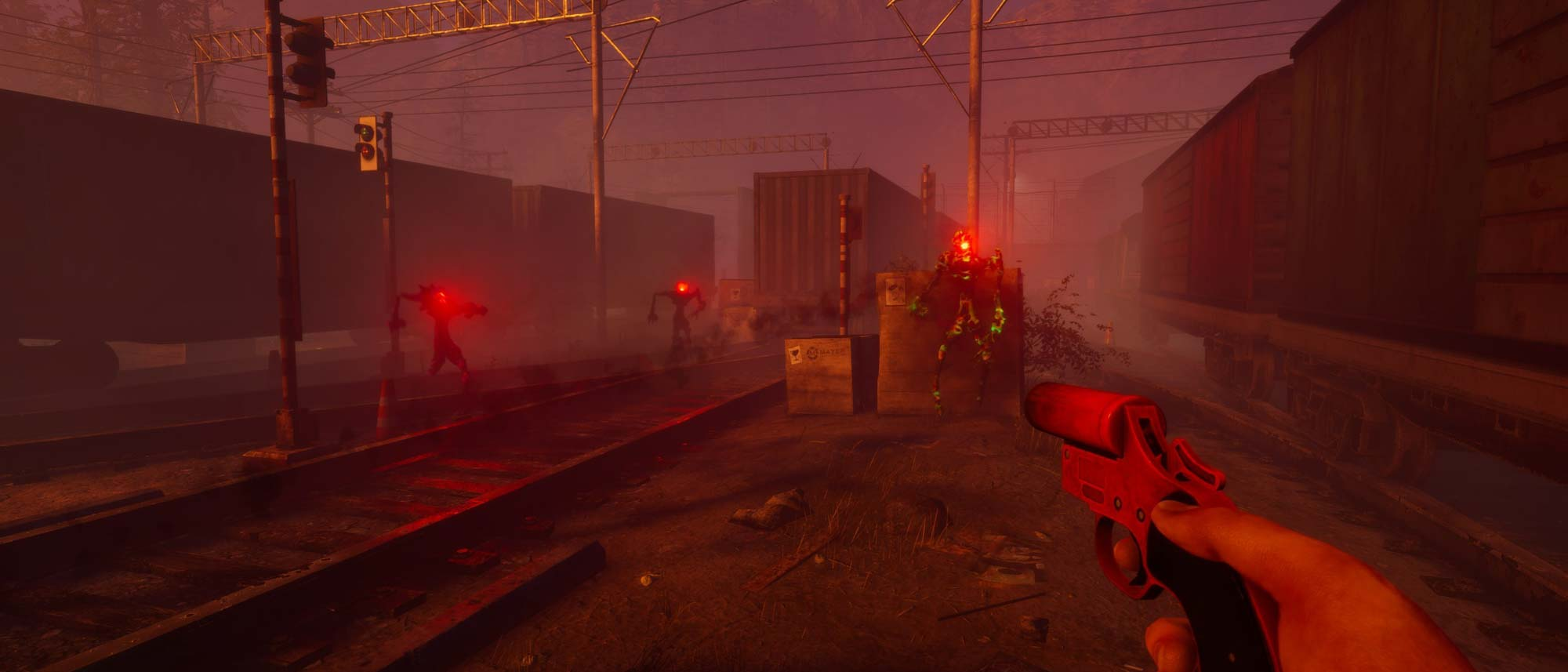
Results
GameCoder Studios successfully navigated the technical challenges, resulting in a high-quality, stable launch across all console platforms.
For this project in particular, the Nintendo console was the biggest challenge because of hardware’s limitations but we managed to go from 15 fps to stable 30 fps throughout the entire gameplay experience.
The porting effort culminated in the successful worldwide release of In Sound Mind on Nintendo Switch, PlayStation 5, and Xbox Series X|S. The game was well-received by players and critics alike, demonstrating that technical expertise can fully preserve and enhance a unique game vision across diverse hardware.
