
Key Criteria
Several key constraints shaped the design and implementation of the game’s systems.
First, the simulation systems had to support large-scale league processing. With over 120 teams and hundreds of matches simulated each week, the system needed to handle significant data processing while remaining performant on console platforms.
Second, the game required stable cross-platform infrastructure. Maximum Football supports multiple platforms—including PlayStation, Xbox, and PC—which required synchronized player data across all environments.
Third, the online competitive ecosystem needed to support live service operations, including seasonal updates, player progression, and in-game purchases.
Finally, the backend systems had to maintain data consistency and scalability, ensuring that player accounts, competitive rankings, and dynamic gameplay data could be accessed reliably across different regions and platforms.
These requirements strongly influenced both the architecture and technology stack used across the project.
The Solution
The technical solutions implemented throughout the project addressed both gameplay systems and backend infrastructure.
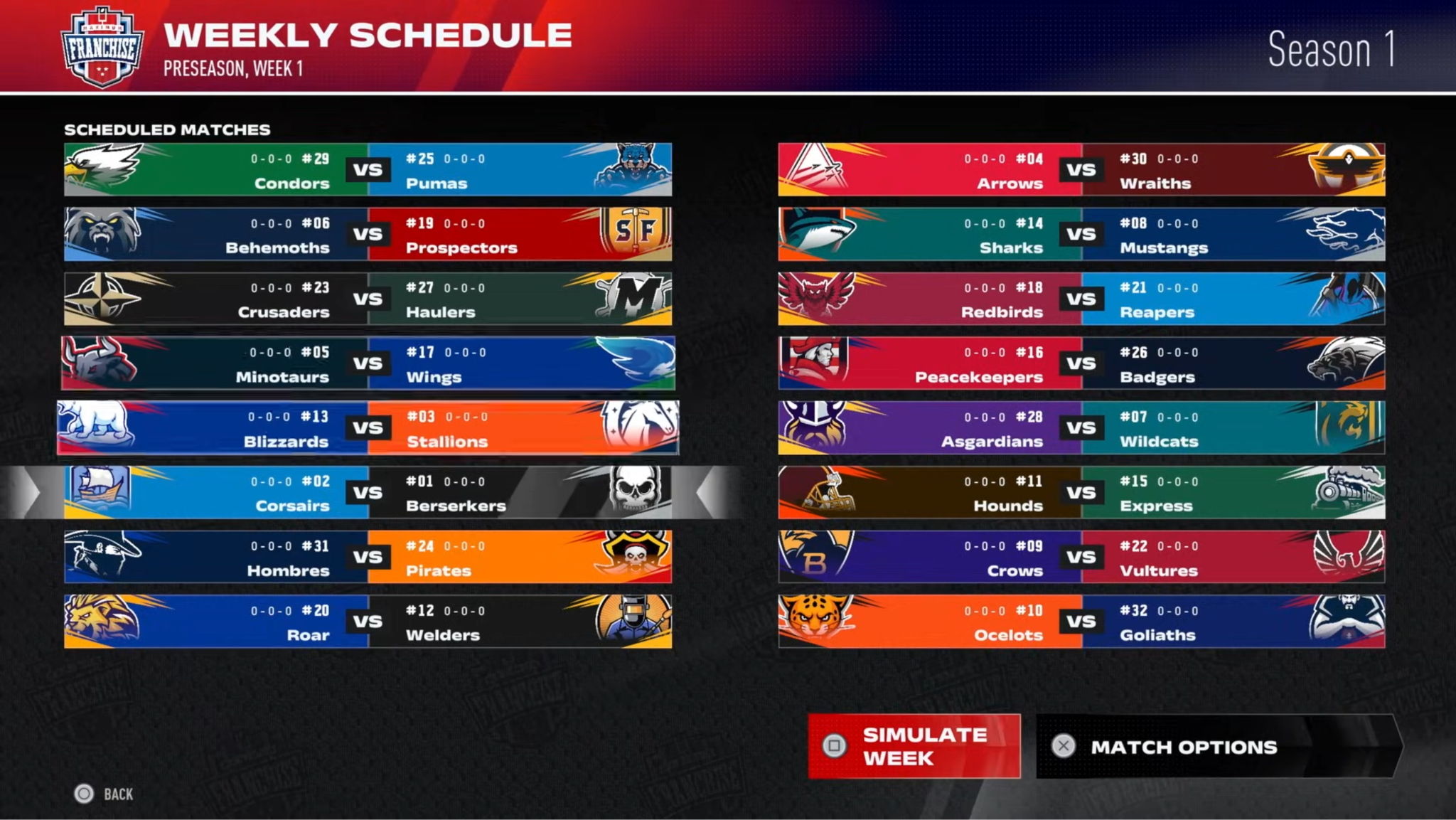
For the Dynasty simulation system, the team rebuilt the architecture to support efficient league processing. By redesigning the simulation flow and optimizing data handling, the system was able to process entire weeks of league activity—including match simulations, player progression updates, and event generation—within the targeted performance budget.
This allowed the game to maintain fast response times while handling large datasets generated by the simulation.
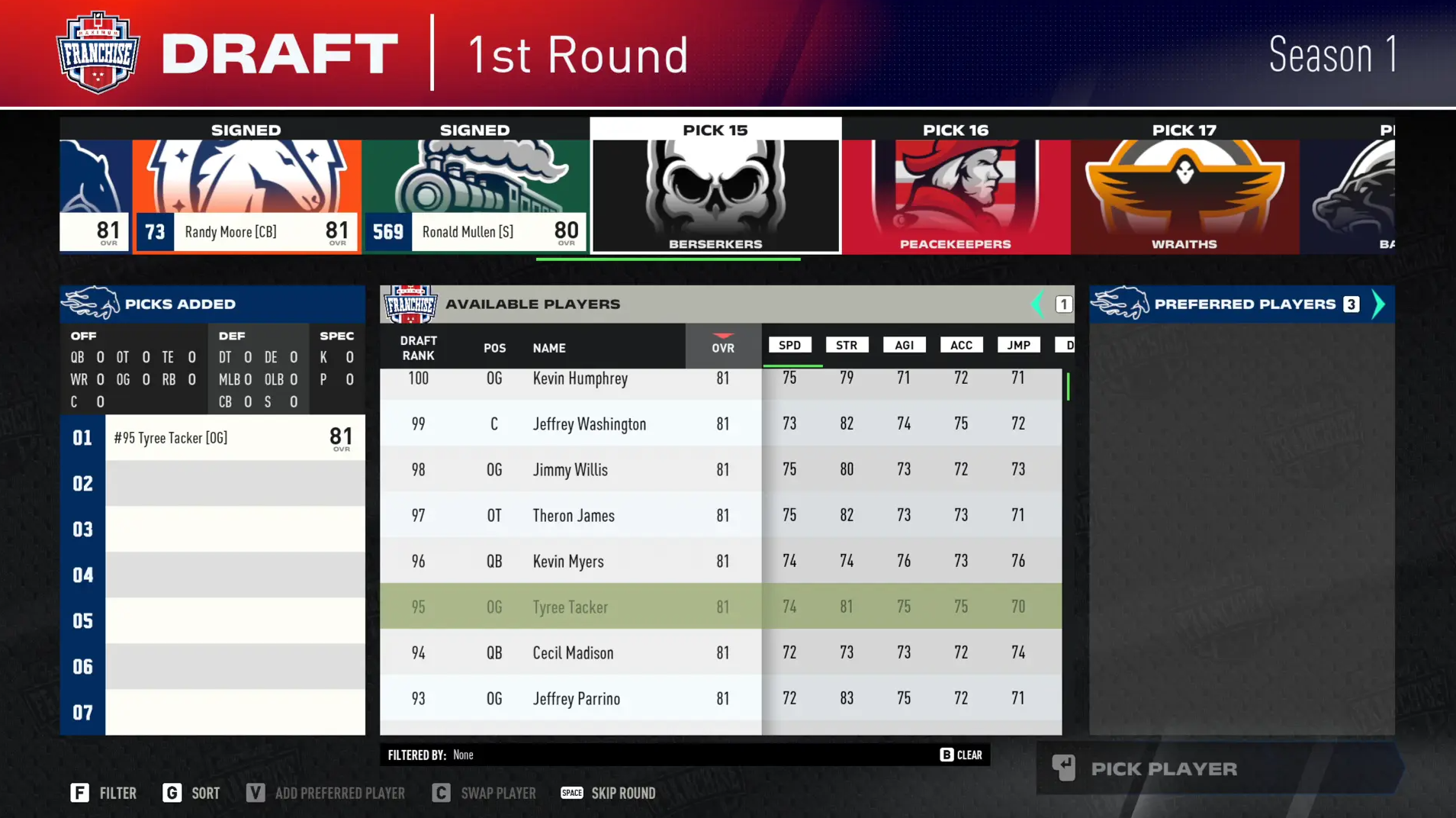
For Franchise, the development focused on creating a unified ecosystem between college and professional management systems. The player transition system enabled athletes developed in Dynasty to be integrated into the professional Draft pool, ensuring continuity between both gameplay modes.
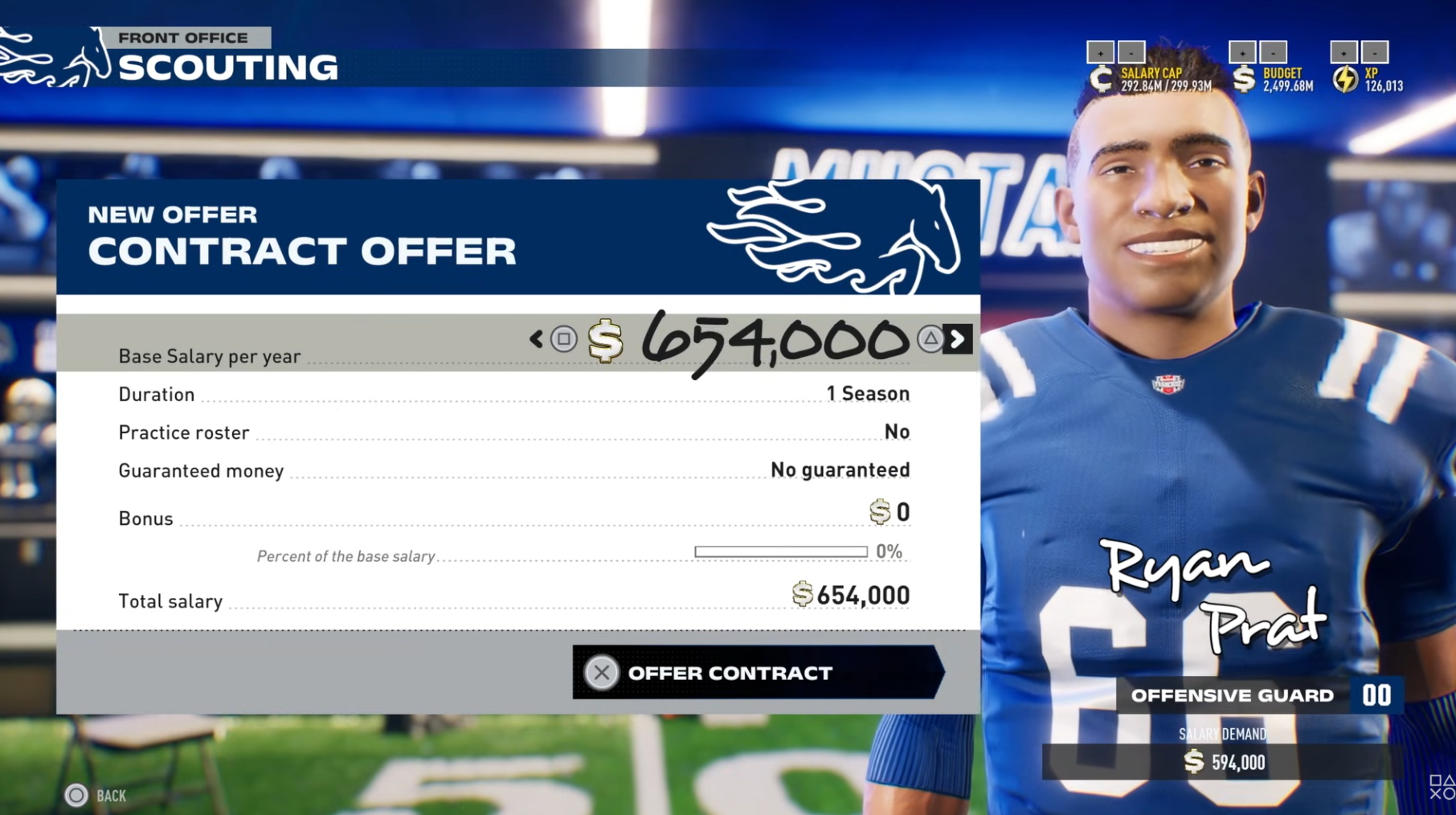
This system required careful management of player data structures to maintain compatibility between the two modes while preserving progression and statistical history.
The most complex challenge, however, involved the development of Maximum Pro League (MPL), the game’s core online competitive mode.
In MPL, players build teams using player cards obtained through packs purchased in the in-game store. These cards represent individual athletes and contain multiple layers of data, including:
- Player customization (cosmetics, body type, name, jersey)
- Base statistics
- Level progression
- Attribute upgrades
Players use these cards to assemble competitive rosters and compete against others around the world.
The mode includes several systems that support the competitive ecosystem:
- ELO-based ranking system
- Victory points used for in-game rewards
- Full crossplay support
- Multi-platform data synchronization across PlayStation, Xbox, and Steam
One of the most significant technical challenges was ensuring data consistency and secure access across crossplay environments.
Players needed to be able to log in from different platforms and retrieve all associated data—including their teams, cards, progression, and cosmetics—without inconsistencies.
To support account management and core backend services, the team selected PlayFab after several weeks of testing and evaluation.
PlayFab was used to manage the primary player data layer, including:
- Account management
- Player inventory
- Core progression systems
- Platform authentication
However, a technical limitation emerged during implementation. While PlayFab could manage the player inventory system, retrieving large sets of card data through custom Azure Functions introduced payload size limitation. Because each player could own a large number of cards—with multiple attributes and customization parameters—the total response size could exceed the payload limits allowed by these custom backend functions.
This created a scenario where the backend could not reliably return the full card dataset to the client.
To address this limitation, the team stored the player card data in MongoDB. This allowed for more flexible storage of the complex and highly structured card objects used by the game.
However, directly querying MongoDB from the client was not an option. Doing so would have required exposing database credentials or access keys to the client application, creating a significant security risk.
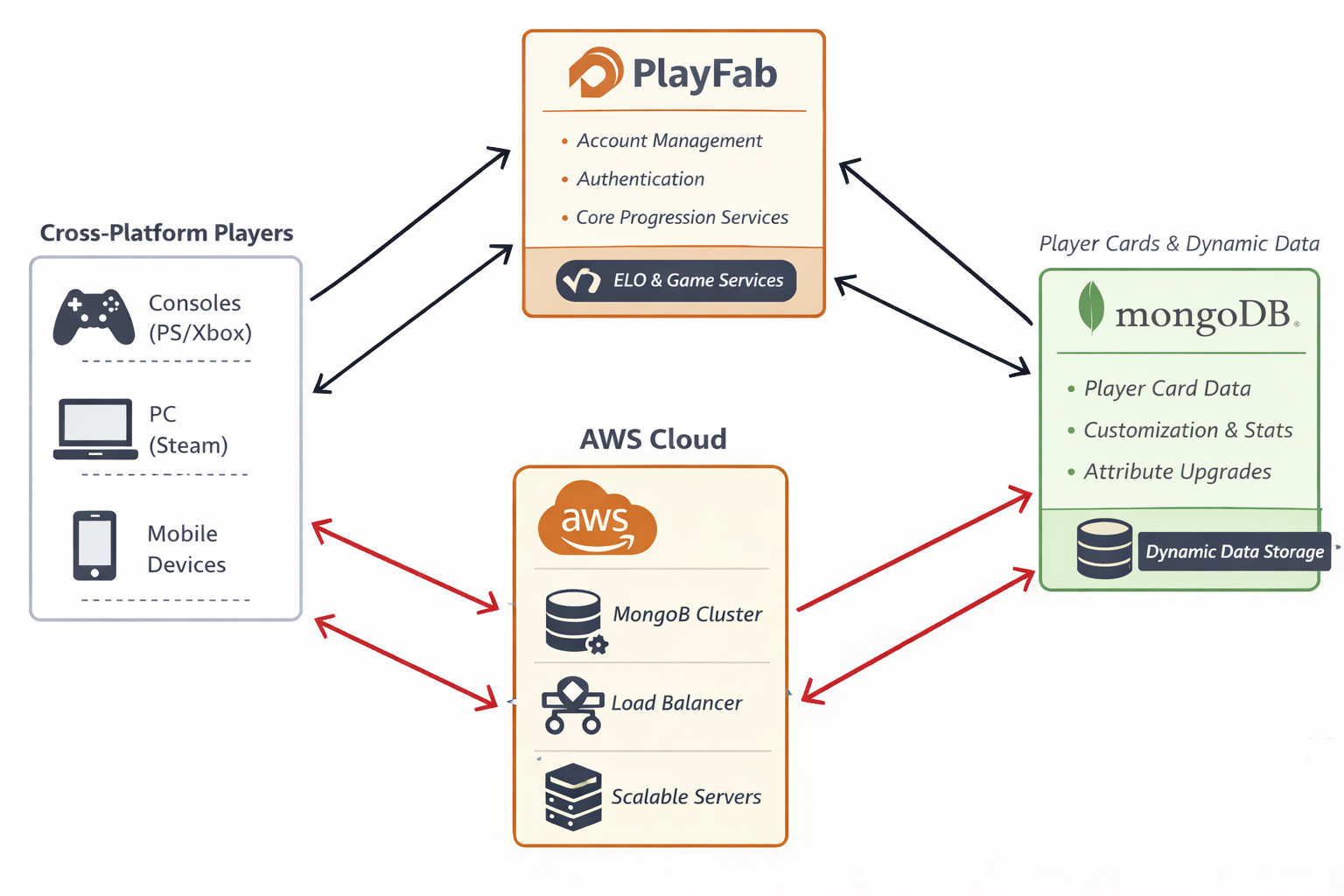
To avoid this vulnerability, the team implemented a service layer hosted on Amazon Web Services. These services act as a secure intermediary between the game client and the MongoDB database.
The architecture works as follows:
- The player authenticates through PlayFab.
- When large card datasets are required, the client sends a request to the AWS service layer.
- The AWS service securely queries MongoDB.
- The requested data is then returned to the client.
This approach allowed the system to safely retrieve large datasets while keeping database credentials fully protected.
A load balancing layer was also introduced to distribute player requests across multiple service instances, preventing individual servers from becoming overloaded during peak activity.
Additionally, MongoDB’s native scalability features allowed the card database to grow alongside the player base without affecting performance.
This architecture enabled the project to maintain the reliability of PlayFab’s player management systems while providing a secure and scalable method for retrieving large volumes of card data required by the competitive gameplay systems of Maximum Pro League.
Results
Maximum Football required more than four years of development, involving interdisciplinary teams primarily located across North America and Europe.
The project aimed to compete within the established sports gaming market by delivering a strong combination of management depth, online competition, and live service systems.
Following its release, the game reached a peak of approximately 200,000 daily active users (DAU) and currently maintains a stable player base of around 17,000 DAU.
Thanks to its automated live-service systems—including seasonal resets, transaction processing, and content management—the game’s infrastructure was designed to support long-term operation and scalability.
The combination of large-scale simulation systems, cross-platform competitive infrastructure, and hybrid backend architecture provided a stable technical foundation for the continued evolution of the Maximum Football ecosystem.